Clocked Cars in Ireland: Match NCT and Service Records Before You Pay
Learn how to spot a clocked car in Ireland by matching NCT certificates, service records, mileage checks, and physical clues before you hand over money.

A clocked car has had its odometer tampered with to show fewer kilometres than it has really covered. It is illegal in Ireland, and your best defence is paperwork. Run an Irish history check, then compare its readings with the NCT certificates and service invoices before you hand over any money.
TL;DR:
- Cartell compares Irish readings and, for imports, UK records, while Motorcheck warns its database may be incomplete; investigate flags rather than treating them as proof.
- An NCT records mileage on a test date but does not guarantee lifetime accuracy, so order certificates beside invoices and query drops or long gaps.
- Dealer buyers receive Consumer Rights Act 2022 protection against misleading history, while private buyers have narrower options; odometer interference is an offence under the 2014 Act.
- If you discover clocking after purchase, preserve adverts, receipts, messages, reports, and invoices, then contact the seller and authorities; the CCPC cannot investigate after three years of ownership.
Table of Contents
- How can you spot mileage tampering when you view the car?
- What do Cartell and Motorcheck tell you about mileage?
- What does an NCT certificate prove about mileage?
- Is clocking illegal in Ireland, and what are your rights?
- What should you do if you find clocking after buying?
- What is the minimum checklist before you pay for a used car?
- Why do combined checks beat any single signal?
- How do we help you avoid a clocked car?
- FAQ
- Sources
How can you spot mileage tampering when you view the car?
Start with the documents, then look at the car itself. No single sign proves fraud, so you are looking for a pattern.
- Compare the dashboard reading with every service invoice, NCT certificate and recorded reading you can find. The RSA recommends checking the dashboard against NCT and service records.
- Check the interior for wear that does not match the stated kilometres: steering wheel, pedals, seat bolsters, buttons and door handles. The CCPC lists these as physical clues.
- Look for paperwork gaps: missing stamps, long unexplained spells between readings, or an older invoice showing a higher figure than the dashboard.
- Treat a descending sequence of readings as a serious red flag to resolve before purchase.
Wear can have innocent explanations, and a gap in records is not proof of anything. That is why you combine clues: documents, the history check and a physical inspection together tell a far clearer story than any one of them.
Pro Tip: Sit in the driver’s seat and ask yourself whether the pedals and steering wheel look consistent with the stated mileage.
What do Cartell and Motorcheck tell you about mileage?
Both services check a registration against stored odometer readings. They draw on available odometer records, including NCT readings.
- Cartell compares readings held in Ireland and, for imports, the UK. It flags discrepancies but notes that not every flag means clocking.
- Motorcheck checks the registration against a database of odometer readings. It warns that records can be incomplete, so a flag is a prompt to investigate rather than a verdict.
- For an imported car, ask for any available records from before it came to Ireland.
Your workflow is simple. Run the report and save a copy. Ask the seller for the documents behind any flagged reading, then reconcile dates and kilometres line by line. If the seller cannot explain a discrepancy, walk away. Our longer guide on how to check car history in Ireland covers reading these reports in more detail.
What does an NCT certificate prove about mileage?
Less than many buyers assume. At the test, the tester records the odometer and, where possible, verifies it with an OBD scan tool. That gives you a useful checkpoint on a known date.
But the NCT is a roadworthiness snapshot, not a lifetime guarantee. The RSA is clear that a clean pass does not prove genuine mileage, and it cannot stop tampering that happens afterwards or explain what happened between tests.
To use it well, gather every NCT reading and put them in date order. Then set them beside the history-check output and the service invoices. Readings should climb steadily. A sudden drop or a flat stretch across a long gap deserves a direct question to the seller.

Is clocking illegal in Ireland, and what are your rights?
Yes. Section 14 of the Road Traffic Act 2014 makes it an offence to interfere or attempt to interfere with an odometer. On summary conviction the penalty can be a Class C fine, up to three months in prison, or both. There is a good-faith defence for testing, repair or replacement, so ask for paperwork if the instrument cluster has ever been changed.
Your civil protection depends on who sold the car. The CCPC says businesses must not give false or misleading information about a car’s history or withhold facts such as clocking, and dealer purchases carry Consumer Rights Act 2022 protection. Private buyers do not have the same consumer rights, so a genuine private sale leaves you with narrower options. Our guide to private sale versus dealer in Ireland explains the difference.

What should you do if you find clocking after buying?
Act quickly and keep everything. The CCPC cannot investigate suspected clocked cars once you have owned the vehicle for more than three years.
- Preserve the advert, receipt, messages, reports and invoices, and photograph the odometer.
- Collect all service invoices and NCT certificates in date order.
- Get a written opinion from an independent mechanic and keep the report.
- Contact the dealer in writing, then report to the CCPC and An Garda Síochána.
- Consider civil routes such as small claims, the District or Circuit Court, or SIMI mediation where relevant.
A CCPC investigation does not guarantee a refund, so keep your own evidence file complete from day one.
What is the minimum checklist before you pay for a used car?
Run through these checks every time, whatever the price.
- Run a Cartell or Motorcheck report and keep a copy.
- Photograph the odometer and ask the seller to write the displayed mileage on the receipt, as the CCPC advises.
- Lay out every service invoice and NCT reading in date order, and question any gap or drop.
- Consider an independent inspection with an OBD or ECU read when mileage drives the price.
Our step-by-step guide to buying a used car in Ireland walks through the full process, and our advice on putting paperwork first when buying online applies to every receipt you sign.
Pro Tip: Do the history check before you travel to see the car. A flagged report saves you the journey.
Why do combined checks beat any single signal?
Mileage fraud is hard to prove from one angle, and easy to catch from three. A history report can be incomplete, an NCT is a snapshot, and worn pedals can be innocent. Put them together with an independent mechanic’s eye and the odds swing firmly in your favour, at a cost far below that of an overpriced, worn-out car. We publish buyer guides on exactly this kind of paperwork checking.
How do we help you avoid a clocked car?
We built EcoSteer around paperwork you can see. Our listings let you browse cars before you arrange a viewing. Use our search filters and buyer guides to put cars with clear documentation at the top of your shortlist, and read our checks for featured listings on seller identity, NCT and warranty.
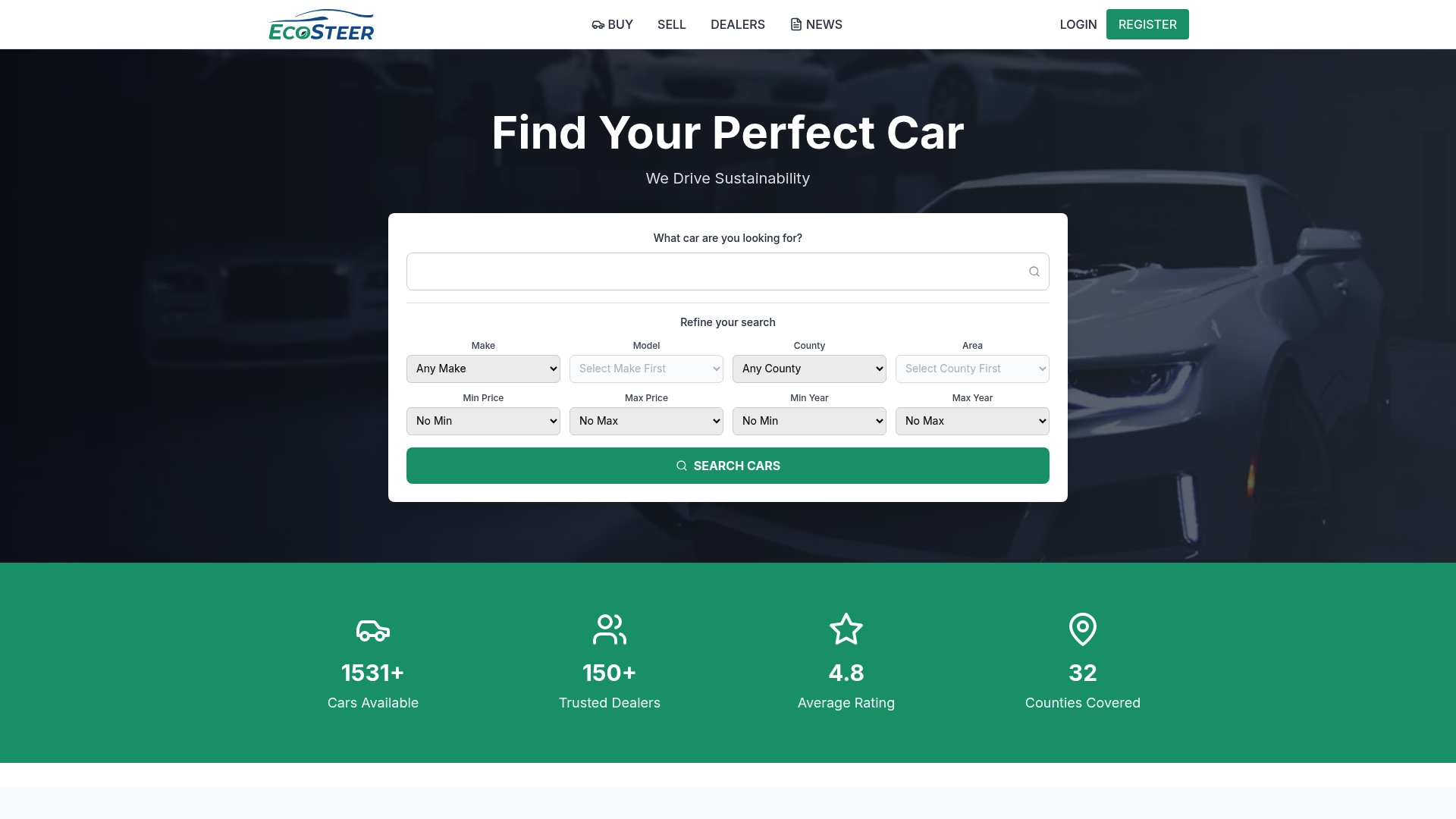
When you are ready, browse cars on EcoSteer and start with the listings that show their records.
FAQ
Is it illegal to clock a car in Ireland?
Yes. Interfering with an odometer is an offence under the Road Traffic Act 2014. A good-faith defence exists for testing, repair or replacement of the odometer.
How can I check if a car has been clocked in Ireland?
Run a Cartell or Motorcheck history report, then compare its readings with NCT certificates and service invoices. Add an independent mechanic’s inspection for a fuller picture.
Does a clean NCT mean the mileage is genuine?
No. The NCT records the odometer on the test day and is a roadworthiness snapshot. It does not prove the mileage between tests or afterwards.
Who do I report a clocked car to?
Report to the CCPC and to An Garda Síochána, and contact the dealer if you bought from one. Keep the advert, receipt and messages as evidence.
Sources
- Irishstatutebook
- Crashed and clocked cars | CCPC
- Clocked cars and odometer fraud
- Motorcheck
- Mileage Check Ireland & UK | Cartell Car History Check
Recommended
Ecosteer Editorial
Author