Dealers: Four Steps to Scale Listings and Attract Qualified Buyers
Dealers: fix four listing basics: hero photo, matched all in price, complete feed attributes and standardized descriptions. Scale consistency and attract...

Fix four things first: the hero photo, an accurate all-in price that matches your feed and your VDP, complete feed attributes including VIN and image_link, and a standardised description across every unit. Together, these changes cut down on irrelevant enquiries and bring in buyers who are ready to act, because they arrive already knowing the vehicle, the price and the condition match what they clicked on.
TL;DR:
- Using a consistent front three-quarter hero shot at a 30 to 45-degree angle enhances recognition and presents the vehicle shape effectively to online buyers.
- Ensuring the vehicle detail page displays the exact price, VIN, mileage, and condition in a structured format builds trust and aligns with advertising guidelines.
- Maintaining a complete, accurately updated feed with core attributes like VIN, link, image link, and price improves ad performance and automation; daily hygiene prevents outdated listings.
- Standardizing photo angles, descriptions, and feed checklists across multiple stores prevents inconsistency and simplifies management of large inventories.
- Regularly testing tweaks to images, prices, and calls to action over 30 to 90 days helps identify what strategies genuinely increase engagement and lead conversions.
Table of Contents
- Get your vehicle photography right first
- What buyers expect to see on the vehicle detail page
- Feed attributes and everyday feed hygiene
- Keeping listings consistent across multiple stores
- On-site search optimisation without duplicate content
- Measuring what actually improves listing performance
- Reaching buyers through third-party platforms and marketplaces
- Staying compliant with advertising and disclosure rules
- What EcoSteer sees across thousands of dealer listings
- Getting your listings live on EcoSteer
- Sources
- FAQ
Get your vehicle photography right first
A buyer decides whether to click into a listing within seconds, and the hero image does most of that work. Use a front three-quarter shot, taken at a 30 to 45-degree angle from the driver’s side, as your default hero across every unit in stock. This angle shows the car’s shape and proportions better than a straight-on front or side shot, and it is the convention buyers recognise from every major marketplace.
Beyond the hero, build a shot list of 8 to 12 images in a fixed order: hero, front, rear, interior seats, dashboard, wheels, engine bay, and boot. Mobile shoppers swipe through images quickly, so a consistent order means they always know what they are looking at next without guessing.
A few technical details matter more than they seem to. Google’s vehicle listings policy sets out image guidelines and disallowed content, including watermarks, which can get a listing’s images excluded from vehicle ad programmes entirely. Keep image URLs stable so they do not break when a listing updates, name files descriptively rather than with generic camera codes, and add alt text describing the make, model and angle for each shot.
Operationally, three habits keep photography from becoming a bottleneck:
- Replace any placeholder image promptly after a vehicle goes live.
- Batch-shoot new arrivals on a fixed day each week rather than one at a time.
- Shoot your best-selling models first when time is short.
Pro Tip: Keep a lightbox or a dedicated shooting spot at the forecourt entrance so every car gets the same background and light, which makes your listings look like one consistent catalogue rather than a patchwork.
What buyers expect to see on the vehicle detail page
The vehicle detail page is where interest turns into an enquiry, and buyers scan it for a short list of facts before they decide whether to trust it. Google’s vehicle ads activation requirements confirm that a compliant landing page must show dealership name, price, VIN and mileage, and that these must match the feed data exactly.
To keep your VDPs consistent without falling into thin or duplicate content, structure the page around these fields in order:
- Vehicle identity: make, model, year, VIN, and mileage, shown prominently near the top.
- Price: the all-in figure, matching the feed price to the decimal.
- Condition and history: condition grade, service record links and any accident history.
- Location and contact: dealership address, phone number and availability status.
- Call to action: a clear next step such as booking a test drive or requesting a video walkaround.
Turn structured attributes into a short standardised sentence template rather than copying manufacturer boilerplate: “This [year] [make] [model] has covered [mileage] and is offered in [condition] condition at [location].” Swapping the variables keeps every page unique enough to avoid duplicate content flags while saving your team from writing fresh prose for every unit. Place vehicle history links and legal disclaimers below the fold, close together, so they are available without cluttering the buying decision.
Feed attributes and everyday feed hygiene
Your vehicle feed is what makes a listing eligible to appear in vehicle ad programmes at all, and Google’s feed specification lists the required and recommended attributes in detail. At minimum, every row needs:
- VIN or id: the unique identifier tying the feed row to the VDP.
- link and image_link: stable URLs to the VDP and hero image.
- price: matching the VDP exactly, including any all-in fees.
- make, model, mileage and condition: the core facts a shopper filters by.
- vehicle_fulfillment: confirming whether the vehicle is available in-stock or on order.
A feed with more complete attributes produces more automated, personalised and higher-performing ads, according to Microsoft Advertising’s automotive feed guidance, which explains how dynamic feeds generate ad creative directly from the data you supply.
Day-to-day hygiene matters as much as the initial setup. Update your feed regularly so that sold vehicles are removed promptly rather than lingering as dead clicks, and use consistent link templates to standardise your VDP URLs. Google Merchant Center’s guidance on creating a data source recommends submitting one comprehensive primary feed rather than several partial ones, and using store_code fields to keep multi-location inventory aligned. Custom_label_0 through custom_label_4 let you tag vehicles by attributes like margin, turn rate or campaign priority, enabling budget routing towards important stock.
Keeping listings consistent across multiple stores
A single dealership can maintain quality by consistent habits. A group with several locations benefits from a written standard to prevent inconsistencies noticed by buyers when browsing inventory.
- Publish one shot list, one description template and one attribute checklist, and require every store to use them without local variation.
- Assign clear ownership responsibilities: dedicated roles for photography and feed updates, plus a named escalation contact for placeholder images or price mismatches.
- Map each store’s store_code to its feed rows and run a verification check before anything goes live, confirming price, mileage and VIN match across the feed and the VDP.
- Hold every store to a prompt service level agreement for replacing placeholder photos and correcting price or availability errors.
The mapping check is worth the extra five minutes per batch. A mismatched store_code silently sends leads to the wrong location, which looks to head office like a marketing problem when it is really a data one.
On-site search optimisation without duplicate content
Search visibility for a VDP depends on getting the basics right without repeating yourself across thousands of near-identical pages.
- Use the specific make, model, year and mileage in the title tag, H1 and URL of each VDP, reflecting terms buyers commonly search.
- Avoid identical boilerplate descriptions across multiple listings of the same model; vary the sentence structure even when the underlying facts repeat.
- Set canonical tags correctly for any duplicate or near-duplicate VDPs, and keep your sitemap updated automatically as inventory turns over, since a stale sitemap full of sold vehicles wastes crawl budget.
- Add vehicle schema markup (JSON-LD) to every VDP, including price, mileage, VIN and availability, so search engines can read the same facts your buyers see.
- Include dealership structured data, name, phone number and opening hours, on each VDP to reinforce trust signals alongside the vehicle data.
Measuring what actually improves listing performance
Track key metrics as your baseline: VDP click-through rate from organic and paid sources, lead rate as form submissions per VDP view, phone call rate, and appointment booking rate. These tell you whether a listing is attracting the right buyers or just traffic.
- Test one hero image variant against another for a fixed number of impressions before switching.
- Test price prominence, larger versus smaller price display, on a subset of listings.
- Test call-to-action wording, such as “book a test drive” against “request a video walkaround”.
- Use UTM parameters on every campaign link and map custom_label fields in your feed to the same campaigns, so feed performance and web analytics tell the same story.
Give any single test 30 to 90 days before drawing conclusions, since vehicle buying cycles run longer than a typical retail purchase.
Pro Tip: Change one variable at a time. Testing a new hero image and new CTA copy together tells you nothing about which change actually moved the numbers.
Reaching buyers through third-party platforms and marketplaces
Most car buyers check more than one site before contacting a dealer, so a listing confined to your own website is working with one hand tied. Syndicating your feed to vehicle ad programmes and marketplace partners multiplies where a shopper can discover the same VDP, provided the underlying data is consistent everywhere it appears.
Google Merchant Center’s vehicle ads overview notes that a vehicle feed service provider can help dealers automate feed creation and attribute mapping when submitting to multiple destinations at scale, which matters once a group is managing feeds across several ad and marketplace channels rather than one.
The practical risk of multi-platform syndication is drift: a price changes on your own site but not on a third-party feed, or a vehicle sells and lingers as an active listing elsewhere. Treat every integration as another feed that needs the same update cadence and store_code discipline as your primary one, and reconcile availability across platforms on the same schedule you use internally. Where a vehicle tracking system already manages your physical stock, aligning it with your feed update cycle, as outlined in LRD Track’s guidance on vehicle tracking functions, reduces the chance of a sold car staying visible somewhere you have already forgotten to check.

Staying compliant with advertising and disclosure rules
Vehicle advertising carries obligations that generic retail listings do not, and getting them wrong risks more than a poor conversion rate. Price accuracy is the clearest example: an advertised price that does not match what a buyer is actually charged, once mandatory fees are included, is the kind of discrepancy that damages trust immediately and can breach consumer protection rules depending on your market.
Condition and history disclosures deserve the same care. State known accident history, outstanding finance or significant mechanical issues plainly on the VDP rather than leaving them for a phone call, and link to service records where they exist. For descriptions of mechanical condition or recommended maintenance, aligning your language with independent guidance, such as Alternative Car Care’s overview of vehicle maintenance and repair, keeps claims about a car’s condition grounded rather than optimistic.
Every VDP should also carry the dealer’s legal trading name, address and contact details, not just a brand name, since this is a baseline expectation for commercial sellers rather than an optional extra. When in doubt about a specific disclosure requirement in your market, treat the advertised price and stated condition as the two facts that must always be verifiably true, and get a second read from someone with local compliance knowledge before a stock-wide description template goes live.

What EcoSteer sees across thousands of dealer listings
EcoSteer helps dealers list vehicles, manage leads and close sales through its platform, and the pattern across underperforming listings is almost always the same: a missing or blurry hero shot, a price that does not match between the ad and the page, or a description copied wholesale from a manufacturer brochure. Practical guidance on writing ads that convert is covered in more depth in three car ad templates that bring serious buyers and in a 30 day plan to generate car sales leads.
The starter checklist worth applying this week: standardise your hero photo angle, confirm every feed price matches its VDP, and enforce placeholder image replacement promptly across every store.
— ibrahim
Getting your listings live on EcoSteer
The platform gives dealers listing management, lead handling and dealer tools built around the same fixes covered here: photo standards, matched pricing and complete feed attributes, all in one place rather than spread across separate systems. Explore the Cars marketplace to see current listings, or check free listing options for vehicles under a certain price before committing to a paid plan.
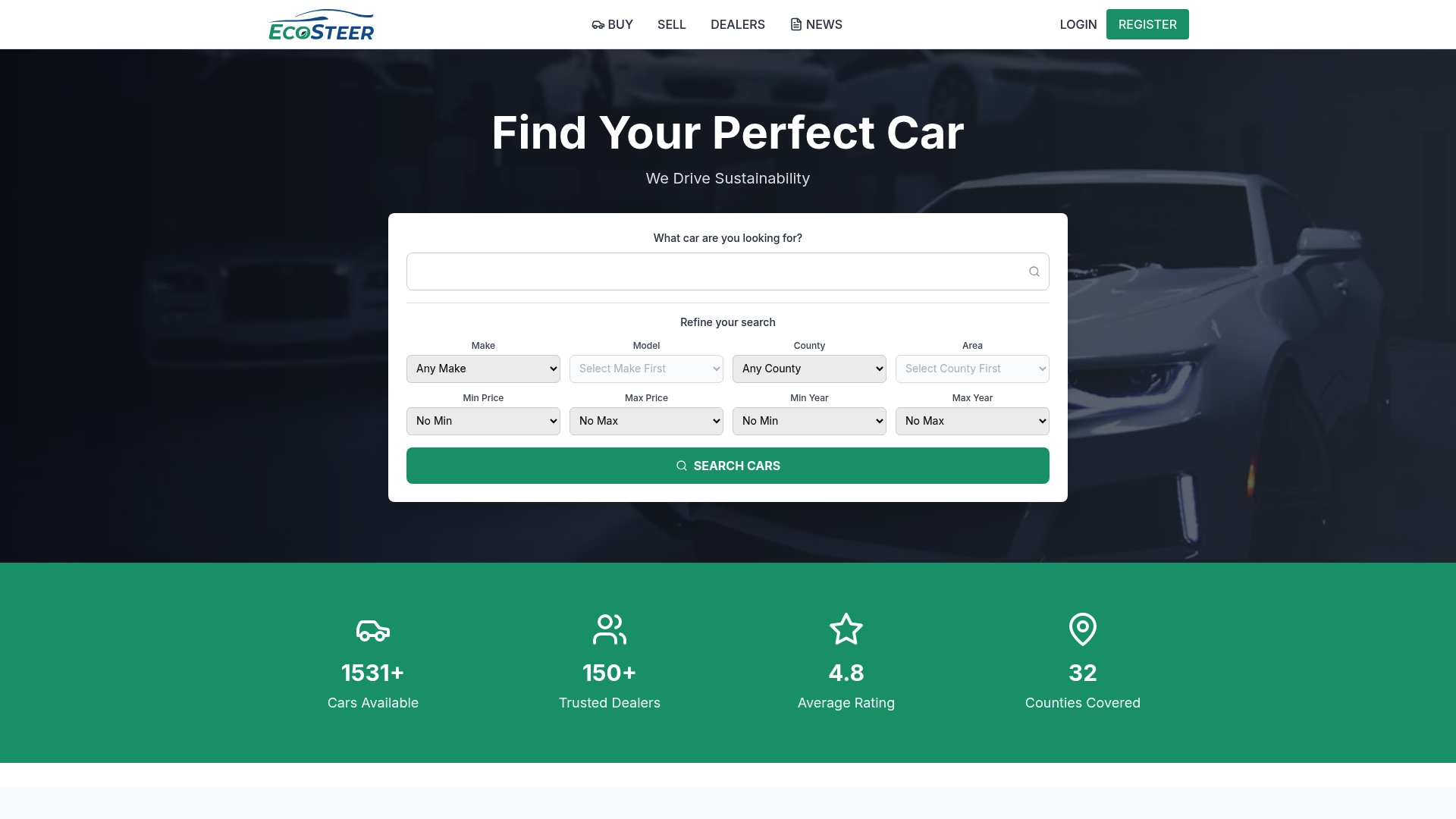
List a car today, request a demo of the dealer tools, or browse cars for sale to see how a well-built listing looks in practice.
Sources
- Vehicle ads activation - Google Ads Help
- Use automotive ads to showcase your models and inventory - Microsoft Advertising API | Microsoft Learn
FAQ
What colour car do police stop the most?
There is no published, verifiable ranking of car colours by how often police stop them, and no source in this article supports a specific figure. Colour choice matters far more for resale value and buyer preference than for any policing pattern.
What’s the hottest selling car right now?
Sales rankings shift by month and by market, and no source here provides a current, verifiable figure for the fastest-selling model. Rather than chasing a single “hottest” model, track which vehicles in your own stock generate the highest lead rate and prioritise their photography and descriptions accordingly.
Which car colour is hardest to maintain?
Lighter colours such as white and silver tend to hide dirt and minor swirl marks better than very dark colours like black, which show scratches, dust and water spots more readily. This is a general maintenance observation rather than a figure from a specific study, so treat it as a guide when describing condition on a VDP.
Who is offering the best deals on cars right now?
There is no single, verifiable source ranking current deals across dealers, and pricing changes constantly by model, condition and location. The more useful habit for a buyer is comparing the all-in price, mileage and condition across several listings for the same make and model rather than relying on a general “best deal” claim.
Recommended
Ecosteer Editorial
Author