5–15% Off Used Cars in Ireland When You Negotiate With 3 Quotes
Negotiate car price in Ireland using three written out the door quotes, Motorcheck history checks and smart timing to secure 3–8% off new or 5–15% off used.

Expect to shave roughly 3–8% off a new car’s asking price and anywhere from 5–15% off a used one, depending on the model and how long it has been sitting on the forecourt. The single highest-leverage move is getting written, out-the-door quotes from at least two or three sellers before you set foot in a showroom. Everything below explains how to build that evidence, what to say, and how to close the deal without leaving money on the table.
TL;DR:
- Used cars with more than 60 days on sale typically offer 5–15% discounts, especially if the stock is aged or difficult to sell.
- Gathering and presenting at least three written, out-the-door quotes from different dealers strengthens your negotiating position.
- Negotiating the total price upfront, rather than monthly payments or add-on bundles, ensures clarity and better deals.
- Focus on documenting flaws, like missing service stamps, to justify modest, targeted price reductions rather than making aggressive lowball offers.
- Conducting negotiations during month-end, quarter-end, or model changeover periods can increase your chances of securing a better deal.
Table of Contents
- What discount can you realistically negotiate on a car in Ireland?
- What evidence should you gather before negotiating?
- How do you negotiate with a car dealer in Ireland?
- Trade-ins, finance, and add-ons: negotiate each one separately
- How is negotiating with a private seller different?
- When is the best time to negotiate, and how do you close?
- EcoSteer and author perspective: practical next steps
- What Ireland gets wrong about car negotiation
- Find comparable listings and written offers faster
- Sources
- FAQ
What discount can you realistically negotiate on a car in Ireland?
Dealers work on thin margins for new cars, so 3–8% off MSRP is a sensible target for most standard models. Used cars give you more room, with Motorcheck and other Irish commentators suggesting 5–15% off asking price is achievable depending on the vehicle’s age and how badly the dealer wants it gone.
Pro Tip: Check the listing date. A used car that has been advertised for more than 60 days has usually cost the dealer money in depreciation and site fees every week it sits unsold, which puts pressure on them to move it.
A few factors swing that range further:
- Aged stock moves faster on price. A car sitting for two months costs the dealer in depreciation and finance charges.
- End-of-quarter or month-end pressure pushes sales staff to hit targets, often at your expense in a good way.
- Low-demand models (unusual colours, older diesel variants, awkward trims) attract bigger discounts.
- High-demand or newly launched models rarely move much. If everyone wants it, nobody needs to discount it.
What evidence should you gather before negotiating?
Walking into a dealership with an opinion is weak. Walking in with three written quotes and a vehicle history report is not.
- Build a price band. Search the exact make, model, year, and trim across Irish car marketplaces and note the spread between the cheapest and most expensive comparable listings. That range becomes your negotiating anchor, not the sticker price on the car in front of you.
- Order a history check. A MyVehicle or Motorcheck report reveals owner count, mileage consistency, and how long the vehicle has actually been registered versus how long it has been for sale. Every gap between what the seller tells you and what the report shows is a legitimate reason to ask for money off.
- Draft a written request. Email dealers asking for their best out-the-door price on the exact spec you want, including all fees. Ask each for the same thing so the replies are directly comparable.
The most effective way to use a history report is not to demand a huge reduction, but to tie each specific flaw, a missing service stamp, an extra owner, months of unsold stock, to a modest, calculated deduction. Stack three or four small, justified points and you often land a bigger discount than one aggressive lowball ever gets you.
How do you negotiate with a car dealer in Ireland?
Negotiate one number only: the total out-the-door price, including VAT, delivery, and any registration costs. The moment a salesperson steers you toward “what monthly payment works for you”, the conversation has shifted away from the number that actually matters.
Before you visit anywhere, email several dealers the same written request for their best out-the-door price on the exact spec you want. Bring those replies with you as printed leverage.
Common tactics to watch for, and how to answer them:
- Monthly-payment pivot: “Let’s just focus on the price of the car first. We can talk finance after.”
- Trade-in shuffle (inflating your trade-in to hide a weak price on the new car): “I’d rather we agree the sale price first, then look at my trade-in separately.”
- Add-on bundling: “I don’t need the paint protection or extended warranty included. Please quote without them.”
- Fake deadlines (“this price is only good today”): “If the deal is fair, it’ll still be fair tomorrow. I’m happy to come back.”
Pro Tip: Consumer Reports advises collecting competing written quotes and comparing final, itemised costs rather than headline prices. A quote that looks cheaper can hide a higher delivery fee or a smaller trade-in offer.
A typical exchange might run like this. You open with an offer anchored to your research: “Based on three comparable listings, I’d expect to pay around €X out the door.” The dealer counters higher, perhaps citing condition or extras. You hold firm, restate your evidence, and either agree a figure between your opening bid and their counter, or thank them and say you’ll think it over. That willingness to walk is often what moves the final number.
Trade-ins, finance, and add-ons: negotiate each one separately
Treat the car’s sale price, your trade-in, and any finance package as three separate negotiations. Bundling them lets a dealer hide a poor deal on one behind a generous-looking figure on another.
Fix the vehicle price first, in writing, before you mention you have a car to trade. Only once that number is agreed should part-exchange enter the conversation, and only after that should finance terms come up.
- Get at least one independent trade-in valuation before you arrive, then compare it against the dealer’s offer on the day.
- Ask for an itemised out-the-door quote and query anything that looks padded, particularly documentation or “prep” fees that seem high for the work involved.
- If you’re offered extras like paint protection or fabric coating, price them separately. A ceramic coating can run to several hundred euro fitted independently, so a dealer bundling it into your finance at a similar cost isn’t offering much of a deal.
- Read our guide on getting the best trade-in value before you let a dealer name a figure first.
How is negotiating with a private seller different?
Private sellers don’t carry the same statutory obligations as a trader. Citizens Information confirms that buyers purchasing from a registered dealer have consumer protections that simply don’t apply to a private sale, so your leverage shifts from legal rights to your own inspection and comparables.
- Make any offer conditional on a short independent mechanical inspection, and say so upfront.
- Use whatever the inspection or history report turns up (worn tyres, an overdue timing belt, a missing service record) to renegotiate before you commit.
- Compare the asking price against similar private listings, not dealer prices, since private sellers often price closer to trade value.
- If the seller resists any inspection at all, treat that as a warning sign rather than a negotiating obstacle to push through.
Our private sale versus dealer guide covers which route suits your situation, and our step-by-step used car buying guide walks through the inspection checklist in more detail.
When is the best time to negotiate, and how do you close?
Timing shifts the odds in your favour more than most buyers realise.
- Month-end and quarter-end put sales staff under pressure to hit targets, often making them more flexible on price in the final days.
- Model changeover periods, when a new version of a car is arriving, push dealers to clear outgoing stock quickly.
- Quieter sales months generally soften resistance simply because there’s less footfall competing for the same deal.
Once you’ve made your offer, silence is a genuine tool. State your number, then stop talking. A polite willingness to walk away often produces a follow-up call within 24 to 48 hours with a better offer. Whatever gets agreed, insist on an itemised out-the-door price in writing and confirm every extra appears correctly on the sales contract before you sign anything.
EcoSteer and author perspective: practical next steps
Search filters by county, price, and days-in-stock make it straightforward to spot aged inventory and gather comparable listings to support your negotiation. Author ibrahim has contributed to several EcoSteer buyer guides focused on turning market data into practical negotiating leverage. For a guided approach, browse cars for sale across Ireland and pull listing details straight into your written quote requests.
What Ireland gets wrong about car negotiation
Most Irish advice on this topic still amounts to “just haggle”, which is close to useless without a number to anchor against. The research here points somewhere more specific: a used car’s real negotiating room comes from documented flaws, not confidence. A missing service stamp or an extra owner on a Motorcheck report is worth more at the negotiating table than any amount of firm eye contact.
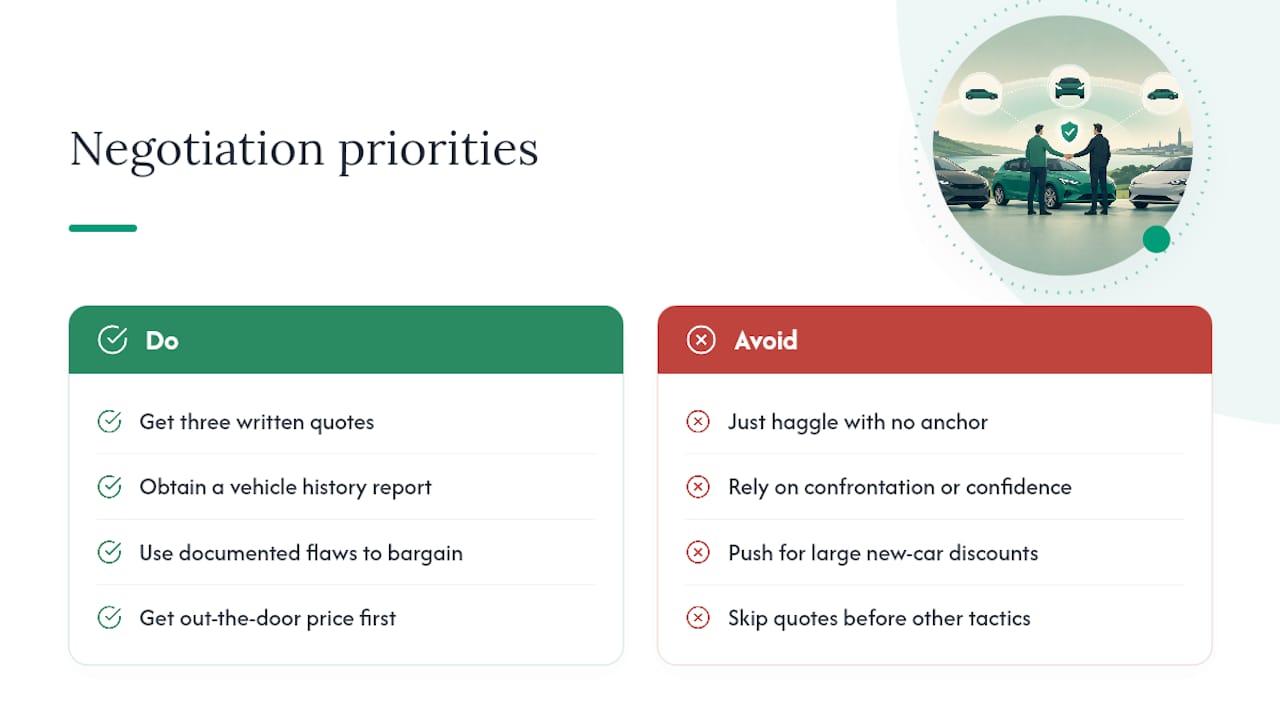
The conventional wisdom oversells confrontation and undersells preparation. Buyers who walk in ready to argue usually do worse than buyers who walk in with three written quotes and a history report. Ireland’s dealer market runs on thin new-car margins, so pushing hard for double-digit discounts on a new model wastes energy that’s better spent on used-car stock sitting past 60 days.
Prioritise this above everything else: get the written out-the-door quotes first. Every other tactic in this guide, timing, add-on refusals, trade-in separation, works better once you’re negotiating from a number you can prove rather than one you’re guessing at.
— ibrahim
Find comparable listings and written offers faster
There are online tools that provide a fast way to see what comparable cars are actually listed for across Ireland, county by county, without checking multiple sites. That’s the entire foundation of the multiple-quote tactic covered above, and it’s far quicker than building a price band from scratch.
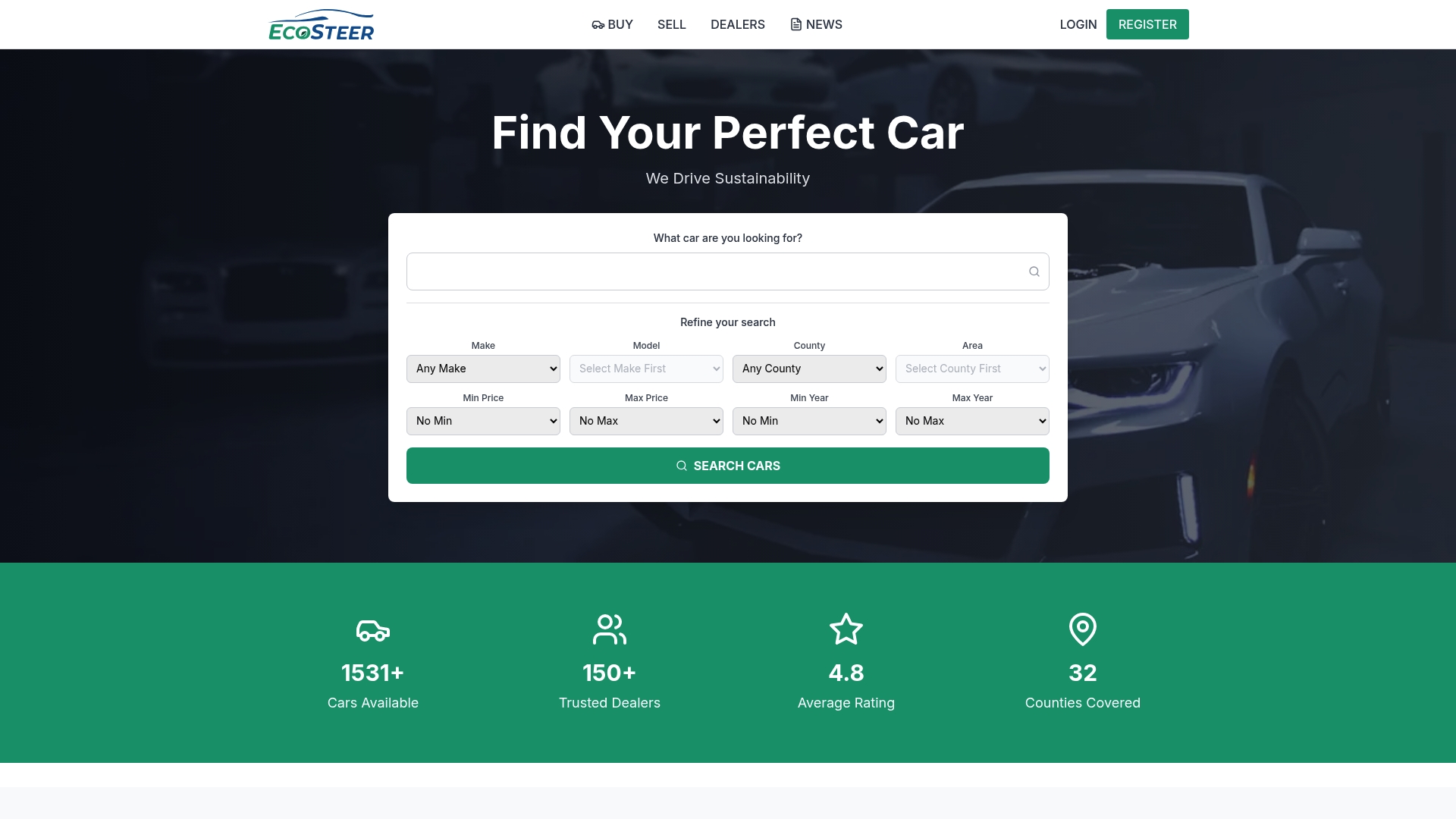
Start on the cars for sale in Ireland page and search the exact make, model, year, and trim you’re after. Copy the URLs of two or three close matches, note their price and days-in-stock, then email that comparison straight to the dealers you’re considering, asking for their best out-the-door price on the same spec. If you’ve already got a specific vehicle in mind, browsing listings like the 2024 Toyota Corolla Criss or a 2023 Skoda Scala Ambition on Ecosteer gives you a real, current price point to quote back to any dealer who tries to start higher.
Sources
FAQ
How much can you negotiate the price of a car?
New cars typically allow 3–8% off, while used cars often allow 5–15% off asking, depending on the model’s age and how long it has been in stock. Aged, low-demand stock gives you the most room; new-release or high-demand models give you the least.
What is the best way to negotiate a car price down?
Get written, out-the-door quotes from several sellers before you visit anyone, then negotiate that single total figure rather than a monthly payment. Consumer Reports recommends this exact approach, and it consistently beats walking in unprepared.
What is the cheapest way to buy a car in Ireland?
Comparing listings across multiple sellers, checking a vehicle history report for hidden flaws, and negotiating trade-in and finance separately from the car’s price all reduce what you pay. Buying aged stock near month-end or during a model changeover tends to unlock the biggest discounts.
What is a polite way to ask for a lower price?
State your researched price band calmly and ask if they can match it, then stay quiet and let the seller respond. Firm, courteous persistence works better in Ireland than aggressive pressure, since haggling is an expected part of the process here, not a confrontation.
Recommended
Ecosteer Editorial
Author